

UN proposes Oman-based mechanism to restore fertilizer transit through Strait of Hormuz

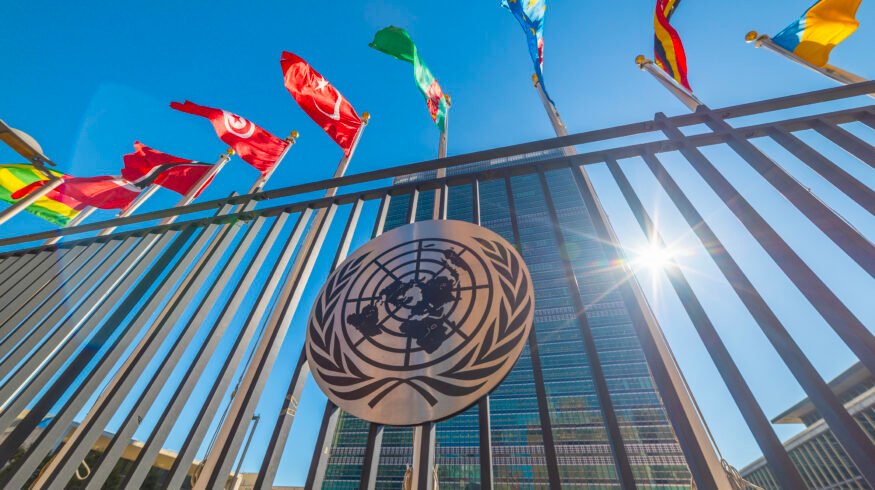

The United Nations has proposed a neutral coordination mechanism to facilitate fertilizer shipments through the Strait of Hormuz, Secretary-General António Guterres said on August 24. The mechanism would be managed from Oman and aims to reduce immediate transit risks, support more orderly passage, and rebuild confidence among shipping operators, Guterres told a press briefing in New York.
The strait has been effectively closed to commercial traffic since late February, when the Iran conflict escalated into a U.S.-Israeli military campaign. The disruption has cut off roughly 20% of global seaborne fertilizer exports, according to Signal Group analysis, and contributed to a spike in urea prices that peaked above $850 per metric ton in April before easing to around $409 per metric ton by late August.
Under the proposal, the UN would serve as a neutral facilitator — registering and verifying ships carrying fertilizer and related products — without authorizing passage or altering states’ rights under international law. Guterres stressed that the mechanism could only work if all parties to the conflict agreed to accept it. Tehran has indicated it intends to impose transit fees on strait traffic, a position the United States and regional governments oppose. Oil prices remain about 33% above pre-conflict levels, while global container shipping rates have surged 84% year-over-year, Guterres said.
The initiative follows months of diplomatic discussions that Guterres launched in March, as fertilizer supply disruptions intensified food security concerns across import-dependent regions in South Asia, the Sahel, and Southeast Asia.
Source: Gulf News
What to know about the UN Hormuz fertilizer transit proposal
A neutral UN-managed coordination system based in Oman that would register and verify ships carrying fertilizer and related products, aiming to restore predictable transit through the Strait of Hormuz without altering international law.
Roughly 20% of global seaborne fertilizer exports pass through the strait. Gulf Cooperation Council members including Saudi Arabia, Qatar, and Oman supply approximately one-quarter of global urea exports.
All parties to the conflict — including Iran, the United States, and regional governments — must agree to accept the mechanism. Iran has indicated it wants to impose transit fees, which the U.S. and others oppose.
Urea prices peaked above $850 per metric ton in April, and global container shipping rates have risen 84% year-over-year. Fertilizer-related shipments through the strait remain at or near zero as of mid-August.
The UN will continue diplomatic engagement from Oman. No timeline for implementation has been announced, and agreement from all conflict parties remains the critical prerequisite.

Enjoyed this story?
Every Monday, our subscribers get their hands on a digest of the most trending agriculture news. You can join them too!




Discussion0 comments