

India makes first soil carbon payments to 2,550 farmers

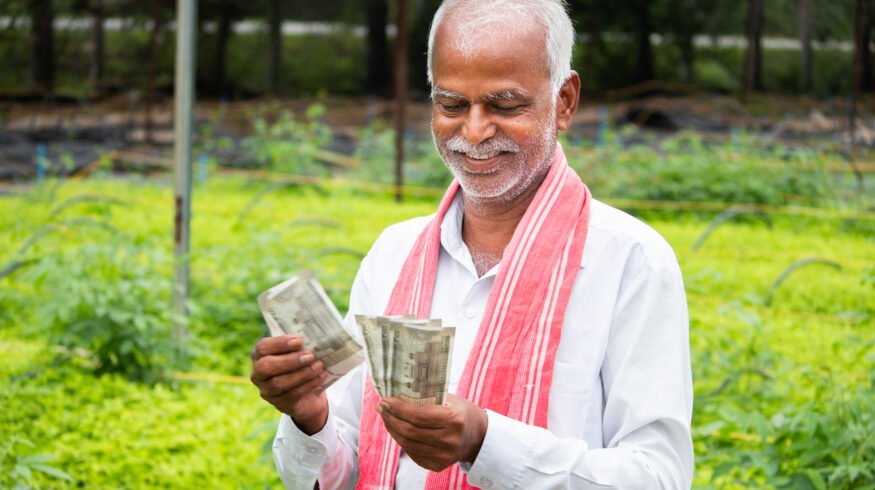

India has made its first farm-level soil carbon payments, with 2,550 smallholder farmers in Punjab and Haryana receiving more than $303,000 through direct benefit transfers for adopting regenerative farming practices. The payments were launched at Punjab Agricultural University in Ludhiana on September 16–17 by M.L. Jat, director general of the Indian Council of Agricultural Research (ICAR), according to The Tribune.
The payments are part of Aadi, a farmer carbon program launched in 2019 by Grow Indigo, a joint venture between Mahyco and Indigo Ag, with technical guidance from ICAR. Farmers participating in the program between 2019 and 2022 adopted practices including direct-seeded rice, reduced tillage and crop-residue management. The resulting greenhouse gas reductions and increases in soil carbon were measured and independently verified before carbon credits were issued under the Verra VM0042 methodology.
The first credit issuance covered about 30,000 acres and generated more than 50,000 carbon credits. Farmers received between INR 3,000 and INR 15,000, equivalent to approximately $31–$157, depending on the number of credits generated by their fields. Farmers who joined the program after 2022 are expected to receive payments during subsequent monitoring and credit-issuance cycles.
Carbon payments linked to farming practices
Grow Indigo said the Aadi program now covers more than 2 million acres and more than 100,000 farmers across seven Indian states. For fields enrolled during the 2019–2022 period, the program estimates that the farming practices saved about 45 billion liters of water and kept more than 200,000 tonnes of crop residue from being burned. The program also estimates that the avoided residue burning prevented about 1,000 tonnes of PM2.5 emissions.
The payment mechanism is intended to give farmers an additional source of income while encouraging practices associated with lower water use, improved soil health and reduced crop-residue burning. Grow Indigo Executive Director Usha Barwale Zehr said farmers were paid according to their share of the carbon credits generated by their fields.
The first payments also highlight one of the challenges of agricultural carbon markets: the time required to measure, verify and issue credits. Farmers participating in the initial Aadi period adopted the relevant practices several years before receiving their first carbon payments.
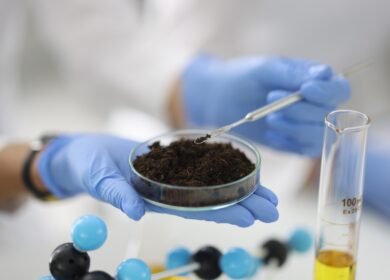
More rapid and scalable soil-carbon measurement could potentially reduce that gap by making verification more efficient. Technologies such as Biome Makers’ soil carbon capacity model are among the approaches being developed to improve soil-carbon assessment.
Source: The Tribune

Enjoyed this story?
Every Monday, our subscribers get their hands on a digest of the most trending agriculture news. You can join them too!






Discussion0 comments