

Plasma treatment boosts cyanobacteria nitrogen fixation 258% in breakthrough for rice biofertilizer

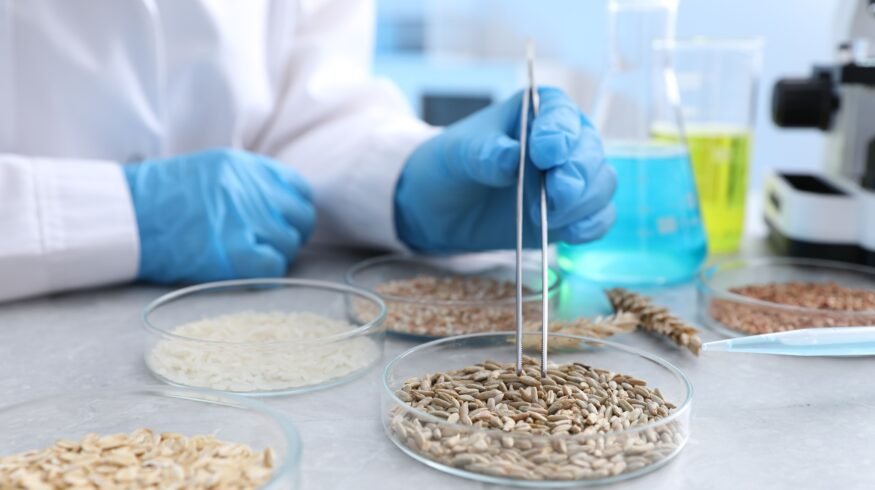

A team of Chinese researchers has developed a portable plasma device that boosted nitrogen-fixing activity in cyanobacteria by 258%, producing a supercharged biofertilizer that delivered 78.8% higher shoot biomass in rice coculture systems compared with untreated controls. The study, published in ACS Sustainable Chemistry & Engineering in 2026, presents one of the largest efficiency gains ever reported for a physical treatment of microbial biofertilizers — and one that avoids genetic modification entirely.
How the plasma cyanobacteria biofertilizer system works
The device, called a nitrogen atmospheric-pressure nonequilibrium plasma array jets system (N-APPJs), was developed at Huazhong University of Science and Technology in Wuhan. It generates controlled doses of reactive oxygen and nitrogen species (RONS) that stimulate microbial metabolism without causing oxidative damage. When applied to the nitrogen-fixing cyanobacterium Nostoc sp. FACHB-1042 for just 30 seconds, the treatment increased nitrogenase activity by 258% — the enzyme responsible for converting atmospheric nitrogen into plant-usable ammonia.
The researchers identified the mechanism behind the enhancement: specific long-lived RONS in the liquid phase, primarily hydrogen peroxide and nitrite, worked synergistically at optimal concentrations to stimulate the bacteria’s nitrogen-fixing metabolism. The key finding was that the synergistic action of hydrogen peroxide and nitrite at the right concentrations activated metabolic pathways in the cyanobacteria while staying below the threshold that would trigger cell damage.
Results in rice coculture trials
In rice coculture systems, the plasma-treated cyanobacteria delivered three measurable sustainability benefits: 78.8% higher shoot biomass, 20.4% greater total nitrogen content, and 61.4% more available phosphorus compared with untreated controls. The dual nutrient benefit is particularly notable — the plasma cyanobacteria biofertilizer enhanced both nitrogen and phosphorus availability, two of the three primary macronutrients that drive fertilizer demand globally.
Cyanobacteria have been used as biofertilizers in flooded rice paddies for decades, typically contributing 20 to 30 kilograms of nitrogen per hectare per season. The plasma treatment’s 258% boost to nitrogenase activity could substantially increase that contribution, though the researchers have not yet published data on how the enhancement translates to per-hectare nitrogen delivery under field conditions.
Where this fits in the biofertilizer landscape
The study adds to a growing portfolio of physical and biological approaches to reducing synthetic nitrogen dependence. Unlike Pivot Bio’s gene-edited microbes or the AI-optimized plasma ammonia process being developed by Faraday Earth, the Huazhong team’s approach uses a physical treatment on naturally occurring organisms — avoiding both genetic modification and the energy-intensive Haber-Bosch process. The portable design of the N-APPJs device also raises the possibility of on-farm application, potentially allowing rice growers to treat cyanobacterial cultures locally before applying them to paddies.
Rice is the world’s most important staple food crop, feeding more than half the global population. With synthetic fertilizer prices elevated — U.S. urea averaged $678 per ton in mid-August 2026 — and the Strait of Hormuz closure continuing to disrupt nitrogen and phosphate trade flows, research into biological alternatives carries increasing commercial relevance. However, transitioning from controlled coculture experiments to commercial-scale rice paddy application will require multi-season field validation and answers to practical questions about treatment durability, storage stability and cost per hectare.

Enjoyed this story?
Every Monday, our subscribers get their hands on a digest of the most trending agriculture news. You can join them too!





Discussion0 comments