

UN trade data shows Hormuz disruption cut fertilizer and chemical exports sharply in April



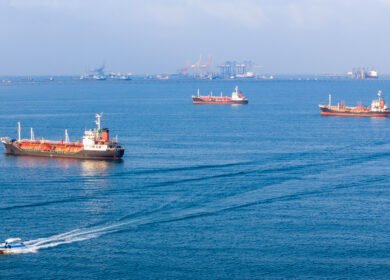
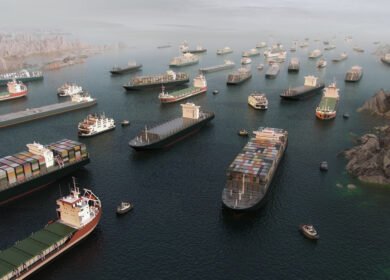
The disruption of shipping through the Strait of Hormuz produced sizable declines in exports of fertilizers, chemicals, plastics, and aluminum from the seven Hormuz-dependent economies — Bahrain, Iran, Iraq, Kuwait, Qatar, Saudi Arabia, and the United Arab Emirates — according to a UN trade analysis published in August. Combined merchandise exports across 12 strategically important products fell 21% in value in April 2026 compared with the prior year.
The International Trade Centre noted that export value declines were amplified by sharp commodity price movements triggered by the disruption itself, making physical volume changes a more reliable indicator. Across all 12 product categories, export volumes fell between April 2025 and April 2026. Fertilizer-related outbound shipments have shown no visible restart since the June 17 U.S.-Iran memorandum of understanding, with tracked shipping flows remaining at or near zero through late August.
The impact on importing countries has been uneven. Japan, which historically sourced 91% of its crude oil from Hormuz-dependent suppliers, recorded a 64% decline in total imports. Thailand, by contrast, increased imports 62% as refiners secured cargoes from alternative suppliers. For fertilizer-dependent agricultural economies in South Asia and Africa, the Hormuz trade disruption has compounded food security concerns during a period of already elevated input costs.
Source: UN News

Enjoyed this story?
Every Monday, our subscribers get their hands on a digest of the most trending agriculture news. You can join them too!




Discussion0 comments