

Hormuz fertilizer plan stalls as UN warns 5 ships a day could avert critical food crisis

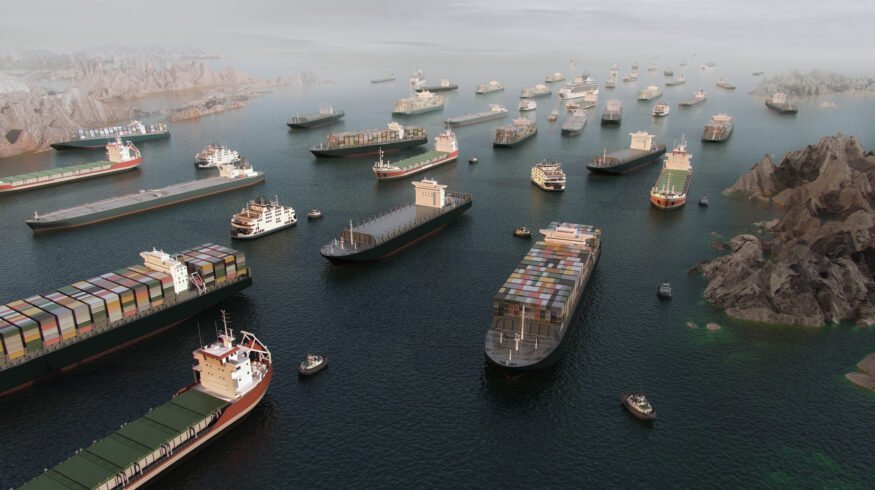

The UN-backed Hormuz fertilizer plan remains unused, and its overseer warned on October 14, 2026, that parts of Asia and Africa could face a food security crisis unless the United States and Iran agree to activate it within weeks. Jorge Moreira da Silva, the UN under-secretary-general running the scheme, said in Bangkok that a deal is needed soon, adding: “Otherwise, we will miss the planting season.”
Under the proposal, a coordination center in Oman would register vessels and arrange safe passage, while UN monitors at Gulf ports would verify cargo loading. Ships would be tracked in transit, with extra inspections available if countries raise concerns. Moreira da Silva said the mechanism could start within 7 to 10 days of a U.S.-Iran agreement and that five vessels a day would keep supplies flowing to countries in critical need, toward the low end of the 3 to 7 ships a day the UN first outlined.
Before the war, the strait carried about a third of the world’s urea trade and nearly half of seaborne sulfur. The International Food Policy Research Institute said in September that Gulf fertilizer shipments remained largely halted, and that fertilizer was a negligible share of traffic during the mid-June to mid-July ceasefire. An August International Chamber of Commerce report estimated that continued disruption could lift cereal prices by up to 81%, oil crops by 66% and animal products by 30%.
Talks between Washington and Tehran have stalled since the June interim ceasefire collapsed. Attacks on cargo ships in the Black Sea and a Houthi offensive along the Red Sea route are adding to pressure on Hormuz fertilizer supply chains.
Source: Reuters via Arab News

Enjoyed this story?
Every Monday, our subscribers get their hands on a digest of the most trending agriculture news. You can join them too!






Discussion0 comments